


 Canada
 中国
中国 Polska
 România
 Україна
 Méjico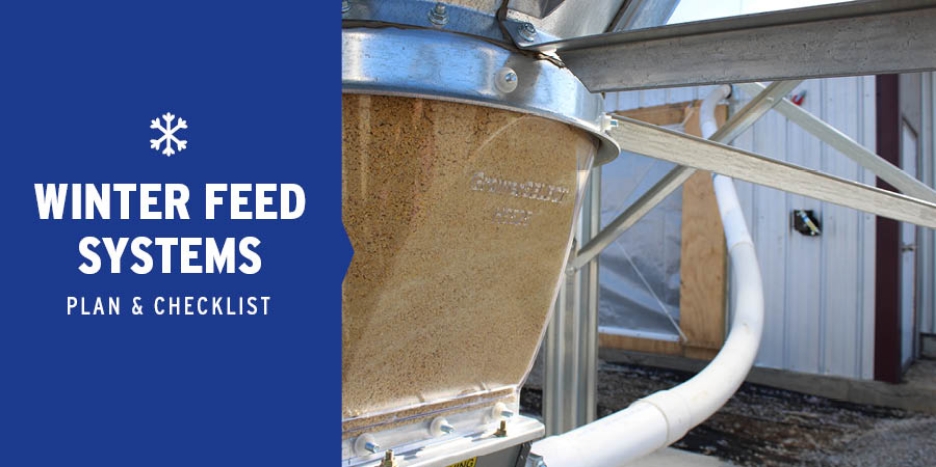
When temperatures drop, feed systems are put to the test. Motors work harder, bins sweat, chain and auger systems stiffen, and even a small failure can stop delivery to an entire barn. Winter is not the time to be searching for a broken bearing or a jammed tube. A few simple checks now can prevent downtime, reduce wasted feed, and keep animals on track.
Start at the Feed Bin
Cold weather and temperature swings can cause condensation inside bins. That moisture leads to caked feed, bridging, or mold growth.
Quick checks:
- Make sure bin lids close and seal properly.
- Check boot valves and transitions for cracks or air leaks.
- Inspect ladder and roof area for rust or missing fasteners that allow moisture in.
Condensation around boot areas is one of the first signs a bin needs attention.
Inspect the Drive System
Feed lines need to run smoothly at low temperatures.
- Listen for grinding, squealing, or hesitation in drive motors.
- Check for movement in gearbox mounts or loose set screws.
- Oil or grease bearings per manufacturer schedules—but never over-grease in cold weather; extra grease stiffens and causes drag.
GrowerSELECT® motors, bearings, and gearboxes are built as direct replacements for common feed systems and are designed for continuous-duty farm operation.
Don’t Ignore Chains, Augers, and Drop Tubes
Feed delivery parts wear out slowly—until one day they don’t work at all.
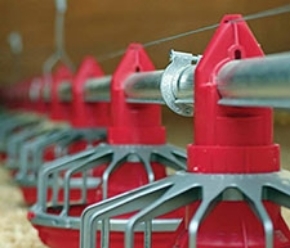
- Look for uneven feed flow in drop tubes.
- Inspect auger flighting for sharp edges or thin metal.
- Check corner wheels and sprockets for cupping or “sharks-toothing.”
- Confirm chain tension is consistent along the entire system.
A worn spot in one corner can cause slippage, delay feed, or overfill pans in another room.
Electrical and Sensor Checks
Winter exposes weak electrical connections.
- Inspect motor capacitors for bulging or discoloration.
- Confirm overloads and relays are clean and wired tight.
- Test feed system sensors and controllers to make sure they start and stop correctly.
If animals start piling at feeders or pan feed levels vary from one end to the other, airflow or timing issues may be involved—not always the feed system itself.
Feed System Winter Prep Checklist
Task: | |
· Seal bin lids and check boot transitions | |
· Clean and inspect intake auger or chain drop | |
· Grease bearings — light applications only | |
· Check feed line chains/augers for wear or binding | |
· Inspect drive motors, gearboxes, mounts | |
· Test pan sensor and system shutdown timing | |
· Keep a spare motor, bearing set, chain/auger section on hand |
Why this matters
Even one hour without feed can slow growth or increase aggression in hogs, broilers, pullets, or layers. Keeping your feed systems dependable through the winter ensures animals stay on feed, barns stay calm, and you aren’t making emergency calls at 6 a.m.
2026 Hog Slat | Georgia Poultry Catalog — Available January 1, 2026
Request a catalog or sign up for our enewsletter at: hogslat.com/information-catalog-email-contact-request



